
Design Your Home to Nudge Better Habits
Start with Defaults That Do the Work
Make the Right Choice the Easy Choice
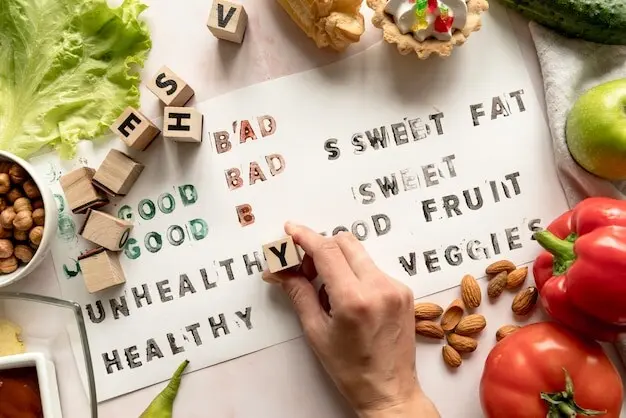

Color Coding that Talks Without Words
Assign colors to family members for towels, lunch boxes, and recycling bins. A blue bin for paper, green for glass, yellow for plastics simplifies sorting faster than any written rule. Color bypasses cluttered attention, minimizing explanations and corrections. The home becomes self‑narrating, and recurring questions like whose towel is this quietly disappear.
Sound and Light Prompts
Use gentle chimes to signal switching the laundry, or a smart bulb turning warm at 9 p.m. to cue kitchen shutdown. Timed cues replace nagging with neutral reminders. We found a soft lamp near the sink ended late‑night snacking and invited a quick counter wipe, while alarms only created stress and snoozes.
Checklists You Actually See
Post micro‑checklists where actions start: a magnetized three‑step list on the washer, a two‑step stove shutdown by the range, a shoe zone reset card near the door. Keep wording tiny, verbs first, and boxes satisfying to tick. Visibility plus brevity turns intention into motion, without debates, memory tests, or hidden notebooks.

Commitments and Gentle Accountability
Chores as a Game Board
Turn recurring jobs into a visible path with spaces to advance: feed pet, water plants, wipe table, read. Dice optional, stickers encouraged. The board lives on the fridge and resets weekly. Game framing lowers resistance, promises a short finish line, and turns the next helpful action into an obvious, bite‑sized step forward.
Tools Sized for Small Hands
Equip a child caddy with a light spray bottle, mini duster, and half‑height broom. Label shelves with pictures, not words. When the environment fits the user, effort feels rewarding instead of clumsy. Our neighbor’s seven‑year‑old began wiping the bathroom mirror daily after borrowing a kid‑sized squeegee that made sparkling results effortless.
Prime the Path for Success
Pre‑fold dishcloths in a reachable drawer, keep pet food scoop in the bin, and tape a two‑step card near the litter box. Place a step stool by the laundry so kids can toss in towels. By removing micro‑barriers, willingness converts into action, reinforcing identity: I’m someone who helps, and my effort clearly matters.
Sustainable Systems and Feedback

Weekly Reset Ritual
Choose a fifteen‑minute family reset window on Sundays: restock paper goods, clear hotspots, empty fridge science projects, and schedule laundry loads. Play one upbeat song per room. This predictable moment resets defaults, catches drift, and gives everyone a fresh runway. Consistency here prevents slow‑motion chaos that otherwise erodes weekday calm.
Data Without the Drag
Choose a fifteen‑minute family reset window on Sundays: restock paper goods, clear hotspots, empty fridge science projects, and schedule laundry loads. Play one upbeat song per room. This predictable moment resets defaults, catches drift, and gives everyone a fresh runway. Consistency here prevents slow‑motion chaos that otherwise erodes weekday calm.
When Life Changes, Re‑Design
Choose a fifteen‑minute family reset window on Sundays: restock paper goods, clear hotspots, empty fridge science projects, and schedule laundry loads. Play one upbeat song per room. This predictable moment resets defaults, catches drift, and gives everyone a fresh runway. Consistency here prevents slow‑motion chaos that otherwise erodes weekday calm.
All Rights Reserved.