Small Shifts, Big Wins: Eat Better, Move More

Join us as we explore behavioral nudges for healthier eating and daily physical activity, blending practical psychology with everyday design. You will learn small, science-backed adjustments that make better choices automatic, movement feel inviting, and consistency finally sustainable, even when motivation dips. Share your wins, questions, and experiments so we can learn together and keep momentum alive. Subscribe for weekly prompts, printable checklists, and supportive nudges you can try today.

Designing Your Environment to Do the Work
Make Healthy Choices Obvious

Place colorful produce where your eyes land first, portion ready-to-grab snacks, and store indulgences out of sight or effortfully distant. Label containers with playful cues that invite tasting. When the better option is obvious and immediate, you act before cravings negotiate alternative, less helpful paths.

Reduce Friction for Movement

Lay clothes out the night before, keep resistance bands near your kettle, and put your bike helmet beside your keys. Reduce steps between intention and action so brief transitions become micro-workouts. When friction shrinks, follow-through grows, and minutes accumulate into meaningful weekly activity totals.

Tame Temptations Without Willpower

Use smaller plates for richer foods, keep sweets wrapped, and place crunchy vegetables on the counter. Create gentle speed bumps like a lid on the cookie jar. These cues slow impulse loops just enough to notice, breathe, and pivot toward choices you will appreciate later.

Smart Defaults at Home and Work

Use plate builders, preselected grocery bundles, or cafeteria opt-ins that prioritize vegetables, lean proteins, and whole grains. Keep customizable choices, yet let the first options be nourishing. When defaults embody wisdom, you conserve mental energy for life’s bigger decisions without sacrificing enjoyment, variety, or social spontaneity.

Implementation Intentions in Plain Language
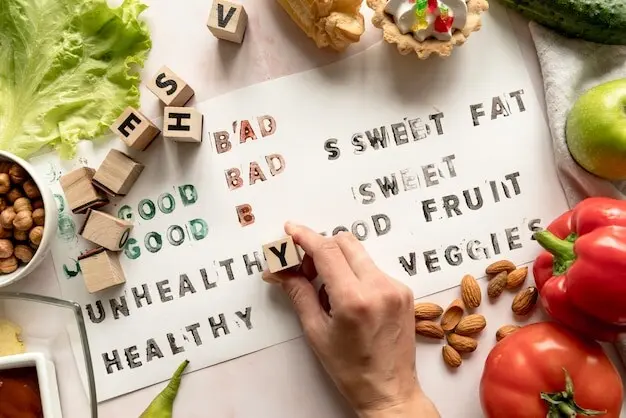
Write simple if-then plans: if I brew coffee, then I stretch calves; if it is 12:30, then I eat my prepared lunch; if I arrive home, then I walk ten minutes. Specific cues transform vague hopes into concrete, automatic behaviors that survive busy schedules.

Find Your Influence Network

Map whose choices nudge yours: a neighbor who bikes, a coworker who swaps recipes, a cousin tracking steps. Invite micro-collaborations like Monday walks or salad exchanges. Borrow momentum during slumps, and return the favor when your spark is bright, creating uplifting cycles of mutual encouragement.

Identity Over Outcomes

Shift self-talk from outcomes to identity: I am the kind of person who nourishes my body and moves daily. This framing resists all-or-nothing relapses. Missing once becomes feedback, not failure, and you naturally rejoin routines without shame, pressure, or punishing, unsustainable rebounds.

Public Yet Kind Commitments

Share intentions with a supportive buddy, calendar a weekly check-in, and celebrate non-scale victories together. Keep accountability kind, specific, and forgiving. Agreement beats guilt. When connection amplifies effort, you persist longer, enjoy the process more, and influence others to begin their own experiments bravely.

Plates, Portions, and Choice Architecture

The order and size of choices shape consumption more than we notice. Smaller plates temper portions, while serving vegetables first increases intake. Clearer menus and prebaked plans reduce mindless grazing. With thoughtful arrangement, satisfaction rises even as calories stabilize, protecting energy and focus for what truly matters.

Engineer the First Choice

Place vegetables and protein at the start of buffets, pack lunches with produce on top, and arrange your fridge so nourishing options greet you first. The initial selection anchors later bites, steering appetite gently. Start strong, and the rest of the meal follows with ease.

Right-Size with Visual Cues

Swap twelve-inch plates for nine-inch, use tall narrow glasses for juice, and pre-plate rather than serving family-style. Visual cues recalibrate satisfaction without scarcity narratives. When portions look abundant, your brain cooperates, preventing autopilot refills and freeing attention for conversation, connection, and mindful enjoyment.

Pre-commit in the Calm Hours

Set aside time to prep grains, wash greens, and portion proteins on calmer days. Future you avoids random snacking when meals assemble quickly. Pre-commitment turns intentions tangible, so stressful evenings still deliver balanced plates, steady energy, and a sense of control rather than scramble.

Rewards, Streaks, and Playful Feedback

Design Reward Loops You Actually Enjoy

Pair new habits with rewards that reinforce identity, not just outcomes: a favorite podcast only during walks, a cozy playlist while chopping vegetables, or a celebratory text after gym sessions. Joy multiplies adherence, making each repetition feel like a gift instead of another demand.

Make Progress Visible and Forgiving

Track steps, colors of produce, or minutes moved with forgiving charts that allow slips without drama. Visual progress invites continuation, highlights patterns, and sparks curiosity. When you see upward trends, you protect them instinctively, converting fragile beginnings into robust, self-reinforcing routines that endure seasons and surprises.

Use Loss Aversion Kindly

Consider refundable deposits with a friend, charity pledges you admire, or calendar blocks that are expensive to move. Use loss aversion gently, never punitively. The goal is commitment that feels caring and firm, guiding effort when moods drift or distractions multiply loudly.

From One Day to Always: Building Durability

Habits thrive when tied to stable anchors and flexible plans. Link meals and movement to existing routines, design travel kits, and script graceful recoveries after breaks. Reflection turns data into wisdom, while community keeps courage alive. With patient iteration, healthier choices become familiar, friendly, and reliably repeatable.

Stack on Reliable Anchors

Attach actions to anchors you never skip: brew coffee then prepare fruit, finish meetings then take stairs, brush teeth then stretch. Anchoring converts routines into autopilot cues. Because anchors persist during stress, your nourishment and movement behaviors keep showing up, even on unpredictable, demanding days.

Plan for Disruptions Before They Arrive

Pack resistance bands, a collapsible water bottle, and shelf-stable snacks for trips. Choose hotels near parks, set step goals for layovers, and map grocery options. Pre-deciding under calm conditions shields choices from fatigue later, protecting energy, digestion, and mood when schedules tilt unexpectedly or flights delay.

Reflect, Iterate, and Invite Help

End each week reviewing what worked, what felt heavy, and what delighted you. Adjust one lever at a time, invite a friend’s perspective, and bookmark your favorite meals or walks. Sustainable change springs from curiosity and compassion, not pressure, making the next experiment easier and brighter.
Nilozorivaropirakaro
Privacy Overview

This website uses cookies so that we can provide you with the best user experience possible. Cookie information is stored in your browser and performs functions such as recognising you when you return to our website and helping our team to understand which sections of the website you find most interesting and useful.